 Respectful Communications Animal Training LLC
Is Your Dog's Fear Making Everyday Life Difficult for Both of You?

Your dog can learn to feel safer around the people, places, and situations that frighten them.
You deserve to enjoy life with your dog without constantly worrying about what might scare them next.
Take the first step toward helping your dog feel safer.
Prefer to talk first? Call us or send a message.

Recognize What Your Dog May Be Experiencing
Fear doesn't always look like trembling or running away. Some dogs freeze, hide, or avoid contact. Others bark, growl, lunge, or snap when they feel overwhelmed.
These behaviors are communication — attempts to create safety and distance. They need to be understood in context rather than punished.
Avoidance and hiding
Your dog retreats under furniture, into another room, or away from people when they feel overwhelmed.
Fear of unfamiliar people or places
New visitors, environments, or situations cause your dog to freeze, tremble, or try to escape.
Sensitivity to sounds or movement
Sudden noises, fast movements, or everyday household sounds trigger a strong startle or panic response.
Difficulty with handling or everyday care
Your dog resists being touched, groomed, leashed, or examined — even by people they know.
Fear-related barking, growling, lunging, or snapping
When frightened, some dogs bark, growl, lunge, or snap to create distance from what scares them.
These signs are not a diagnosis. A structured assessment helps us decode what they mean for your dog.
Understanding Comes Before a Plan
Fear-related behavior is shaped by many factors — genetics, health, past learning, household environment, and daily stress levels. An assessment looks at the whole dog instead of applying a quick fix or rigid template.
Fear is information, not disobedience. A fearful dog does not need to be forced to face what frightens them. Punishment, intimidation, or overwhelming exposure only increases distress and compromises safety.
At Respectful Communications Animal Training LLC, our approach prioritizes understanding your dog's communication, respecting individual limits, and building confidence gradually — always keeping safety and emotional well-being first.
Understanding Before Expectations
Observe. Decode. Understand. Connect.
Linda Ross — The Companion Animal Decoder™ — works with fearful dogs through a respectful, science-informed approach that places understanding before expectations and communication before correction. Four compass points guide the way.
Observe
Notice what your dog is communicating through behavior, body language, environment, and context — looking beyond the visible behavior to what happens before, during, and after it.
Decode
Explore what the behavior may be communicating and what shapes it — learning history, emotional state, environment, genetics, health, and your dog's individual experiences.
Understand
Recognize the individual dog rather than treating every dog the same. Consider your dog's perspective, developmental stage, needs, limitations, and circumstances.
Connect
Use that understanding to build respectful communication, trust, and appropriate support — strengthening the relationship you share with your dog.
The L.E.G.S. framework — Learning, Ethology, Genetics, and Self — may be used as an additional resource for understanding your dog. It complements The Decoder Method and does not replace it.
An In-Depth Look at Your Dog's Behavioral Needs
The Behavior Assessment gives us dedicated time to review your dog's history, observe behavioral patterns safely, and discuss your household's daily routines.
We talk through the specific triggers, your dog's body language, and environmental factors — so we can develop a clear picture of what your dog is experiencing and formulate appropriate next steps.
Note: Every Behavior Assessment is individualized. No single appointment promises guaranteed cures or sudden transformation, but it provides the clarity you need to move forward with confidence.
Your Dog Deserves to Feel Safe
- ✓More than 20 years of experience working with companion animals
- ✓More than 10 years of dog-training experience
- ✓B.A. in Psychology
- ✓Certified Family Dog Mediator®
- ✓Fear Free® certifications in veterinary care and animal training
- ✓A compassionate, science-informed, trauma-aware approach
No Shock. No Prong. No Choke.
We focus on understanding the animal and supporting safety, choice, and emotional well-being — never on overwhelming or punishing a frightened dog.
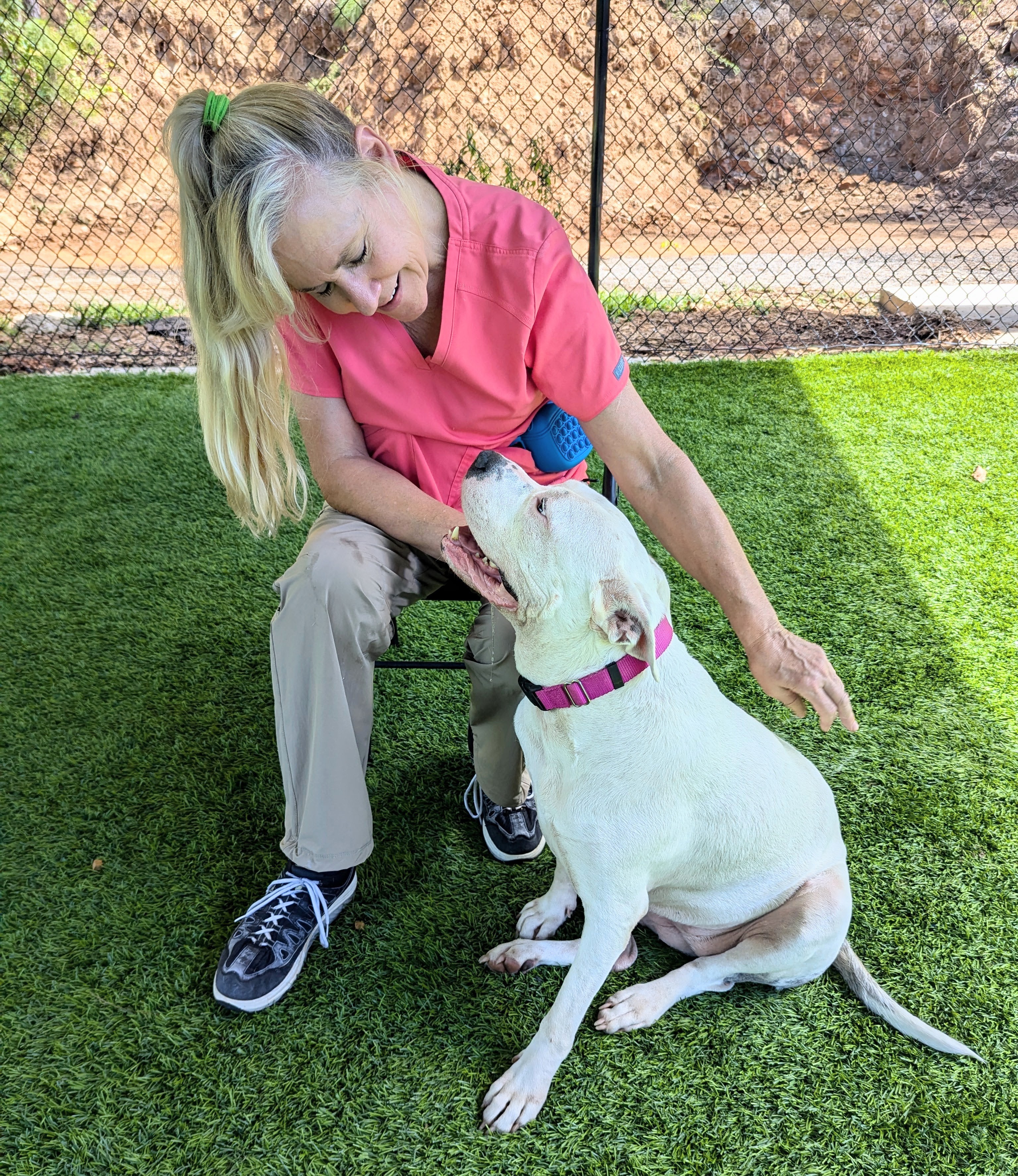
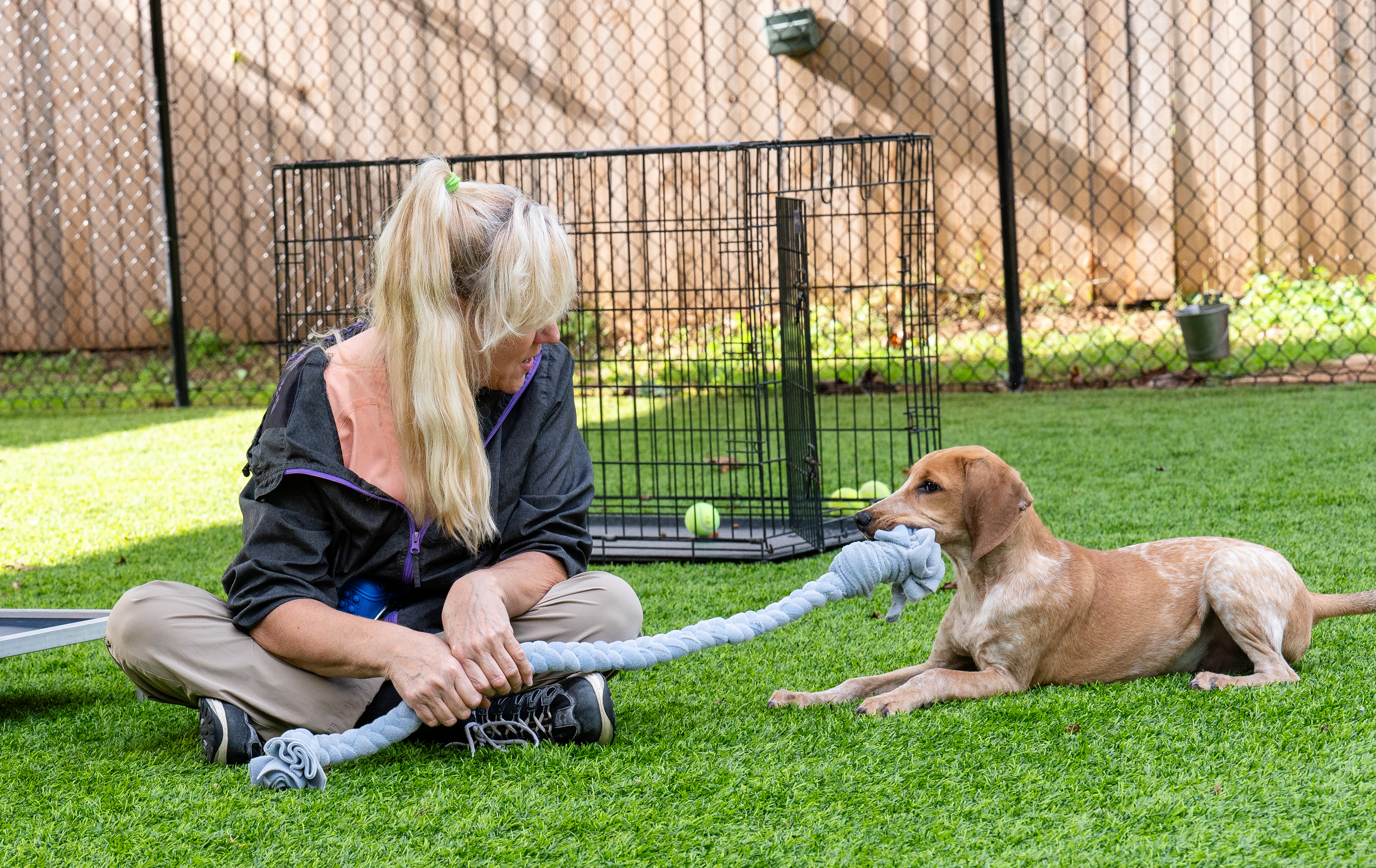
Understanding Changes Everything
Thoughtful guidance begins with listening to you, decoding your dog's signals, and respecting what your dog needs to feel safe.
"What sets Linda apart is that she doesn't just train your dog — she trains you. She is patient, thorough, and deeply knowledgeable, equipping you with the skills to truly become your dog's guide."
"Linda is an extremely calm and patient trainer. She provides written instructions alongside one-on-one sessions. Her methods are definitely the right approach to positive, kind training."
"Linda gets to know each dog and how they feel. She shows many positive interactions that you can use with your pet. I like her techniques and sensitivity."
Frequently Asked Questions
Is this Behavior Assessment appropriate for a fearful dog?+
Yes. The Behavior Assessment is intended to explore behavioral concerns in greater depth, including fear-related behavior. Recommendations depend on the dog's individual circumstances.
What if my dog growls, lunges, snaps, or has bitten someone?+
Please contact Respectful Communications Animal Training LLC at 678-809-DOGS (3647) before booking so we can discuss the concern and determine the appropriate next step.
Will my dog be required to interact with unfamiliar people?+
No direct interaction is required or promised. The dog's comfort and safety guide any assessment. Specific procedures depend on the circumstances.
Will my dog feel less fearful after one Behavior Assessment?+
No outcome can be guaranteed. The Behavior Assessment helps clarify behavioral concerns and identify appropriate next steps.
How much does the Behavior Assessment cost?+
The Behavior Assessment is $157 and lasts approximately 75–90 minutes. Payment is required at the time of booking.
Where does the Behavior Assessment take place?+
Training and Behavior Assessment services are private, individualized, in-person services. Confirm specific appointment arrangements through the existing booking process or by contacting the business.
How do you differ from a balanced trainer?+
Respectful Communications Animal Training LLC uses a force-free, science-informed, reward-based approach. We do not use shock collars, prong collars, choke collars, leash corrections, or other aversive methods as training tools. Rather than relying on corrections or intimidation to change behavior, we work to understand why a behavior is happening, consider your dog's emotional state and environment, and teach useful alternative behaviors through reinforcement, management, and appropriate boundaries. Our goal is to help your dog develop skills, confidence, and a greater sense of safety while strengthening the relationship you share—without relying on fear or pain.
What if my dog's behavior changed suddenly?+
A sudden behavioral change can have medical causes. Contact your veterinarian to evaluate possible pain, illness, or other health-related factors.
Still Have Questions Before Scheduling?
Every dog and every situation is different. If you'd like to ask a question before deciding whether an assessment is right for you, reach out. We're happy to help you understand your options.
No pressure to book. Just a conversation about your dog.
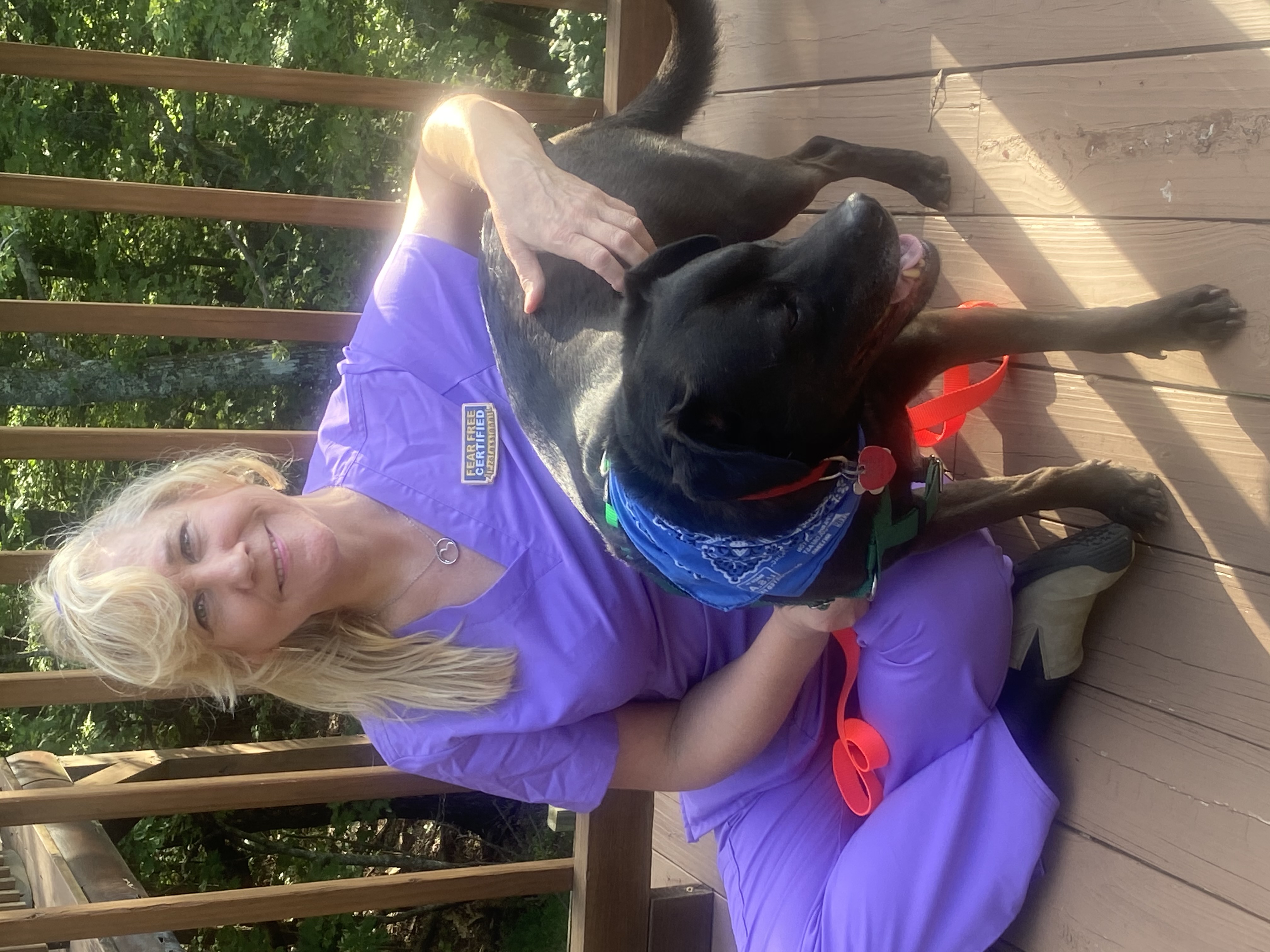
Thoughtful Support for Dogs Who Live in Fear
I'm Linda Ross, The Companion Animal Decoder™ — a trauma-informed dog trainer and behavior consultant, and the founder of Respectful Communications Animal Training LLC. My approach is The Decoder Method™: we observe what your dog is communicating, decode what shapes the behavior, understand your dog as an individual, and use that understanding to build trust and a greater sense of safety.
Together, we'll identify practical, respectful ways to help your dog feel safer and help you understand what your dog is communicating — without relying on fear, force, or pain.
- B.A. Psychology
- Certified Family Dog Mediator®
- Fear Free® Certified Professional
- 20+ Years Experience
Your Dog Deserves to Feel Safe
Let's take the time to understand what your dog is experiencing and explore a thoughtful next step.
75–90 minutes · Serving North Georgia — private, in-home dog training in parts of Pickens, Gilmer, Cherokee, and Dawson counties.